Sparse vendor fields
The starting record has useful facts, but it does not yet read like a product page a buyer can understand.
See how thin product information becomes pages that answer shopper questions, explain fit, clarify specs, and prepare cleaner updates for stores and marketplaces.
The featured example shows the story in order: first the thin starting data, then the clearer buyer-facing product page.
The starting record has useful facts, but it does not yet read like a product page a buyer can understand.

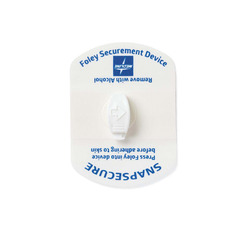
SnapSecure Foley Catheter Securement Devices help hold indwelling urinary catheter tubing in place with an adhesive holder, 360-degree swivel clip, and tube retainer. This case configuration contains 25 sterile, single-use securement devices for medical care teams.
Pick the example that looks most like the product-page problem you need to fix. Your store page stays buyer-facing; Amazon and Walmart fields stay separate.

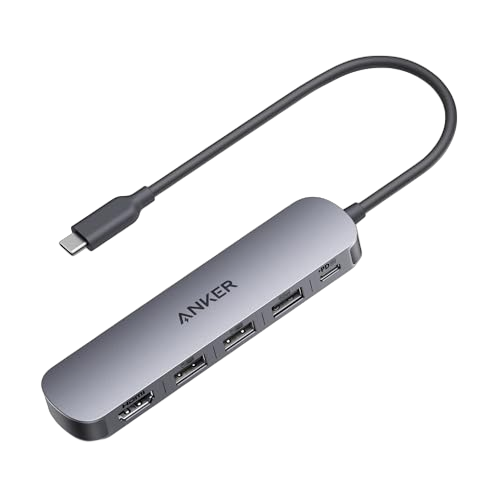
The Anker A8357 record lists ports and charging, but buyers still need to know which laptops, displays, and USB-C ports will actually work.
A compatibility-focused page with HDMI limits, pass-through charging, data-port behavior, OS support, and setup answers.

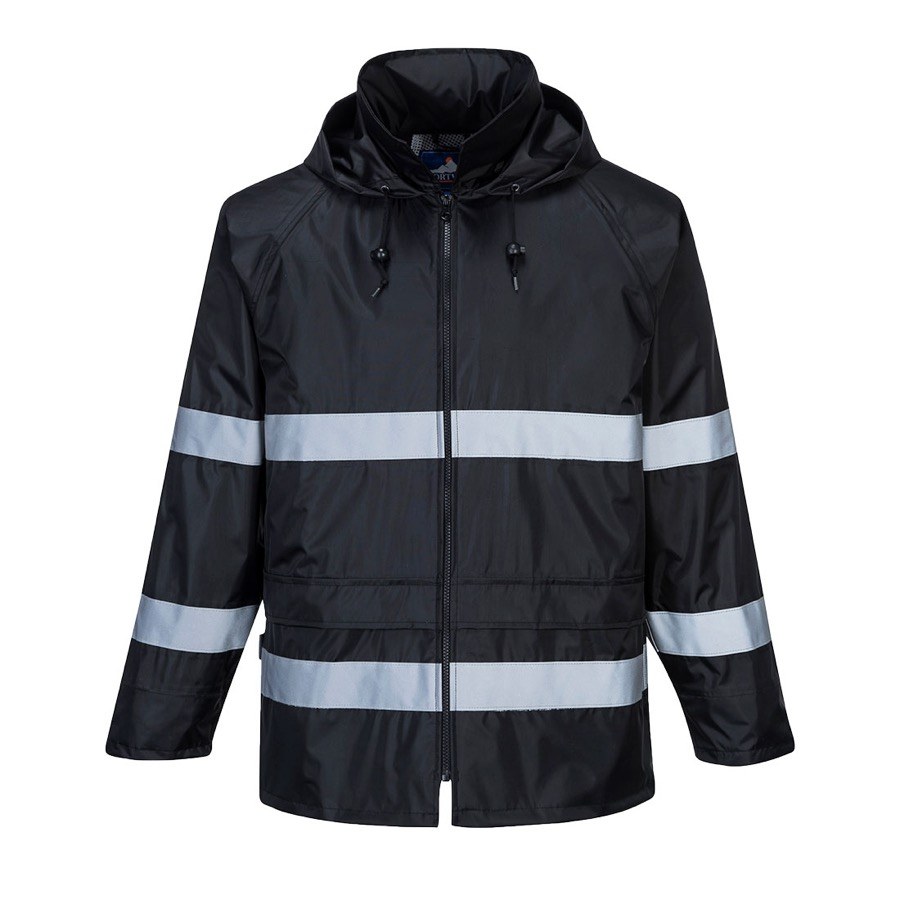
The Portwest F440 row says waterproof and reflective, but it does not explain weather protection, visibility standards, comfort details, or jobsite fit.
A workwear page that explains waterproofing, visibility, standards, hood and cuff details, ventilation, and practical crew use.
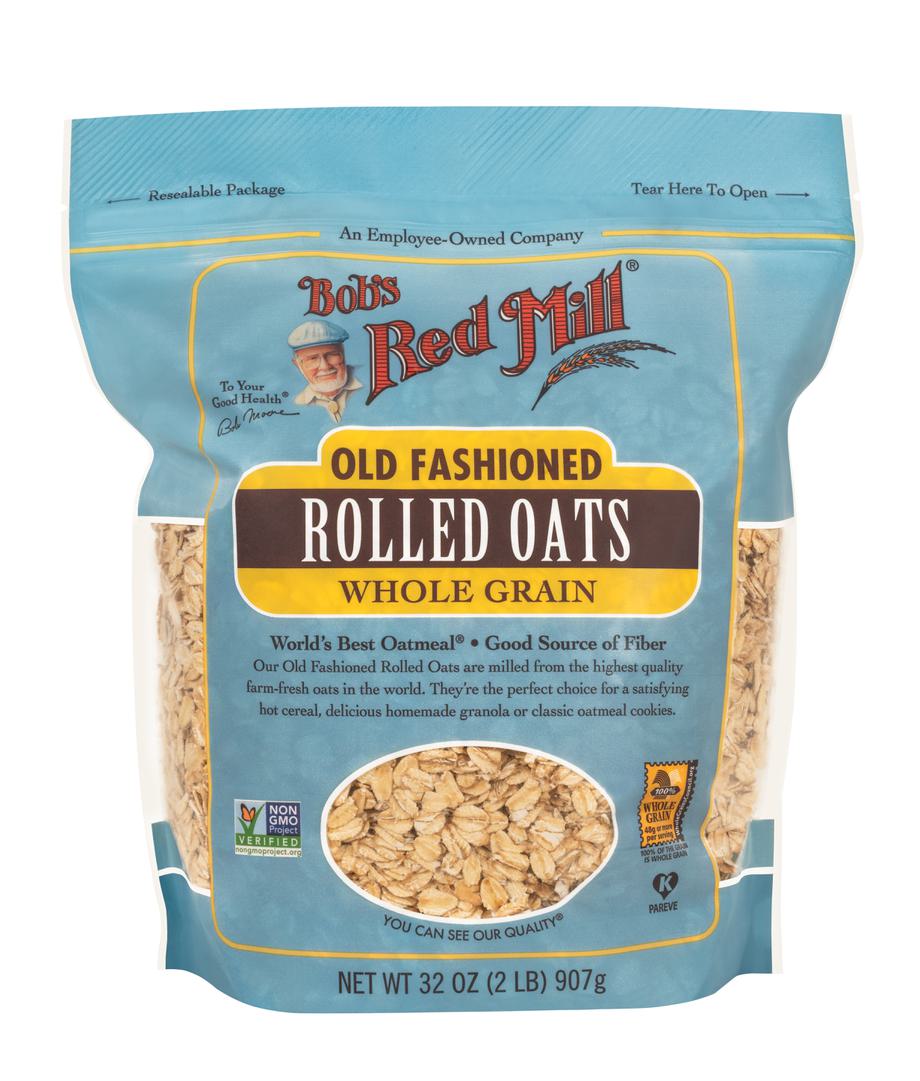
The Bob's Red Mill oats row is too short for a grocery page because oat variety, package size, ingredient, nutrition, allergen, and category details need to be clear.
Package-level grocery details, ingredient and nutrition facts, allergen-check gap, blocked organic claim, and cleaner grocery fields.
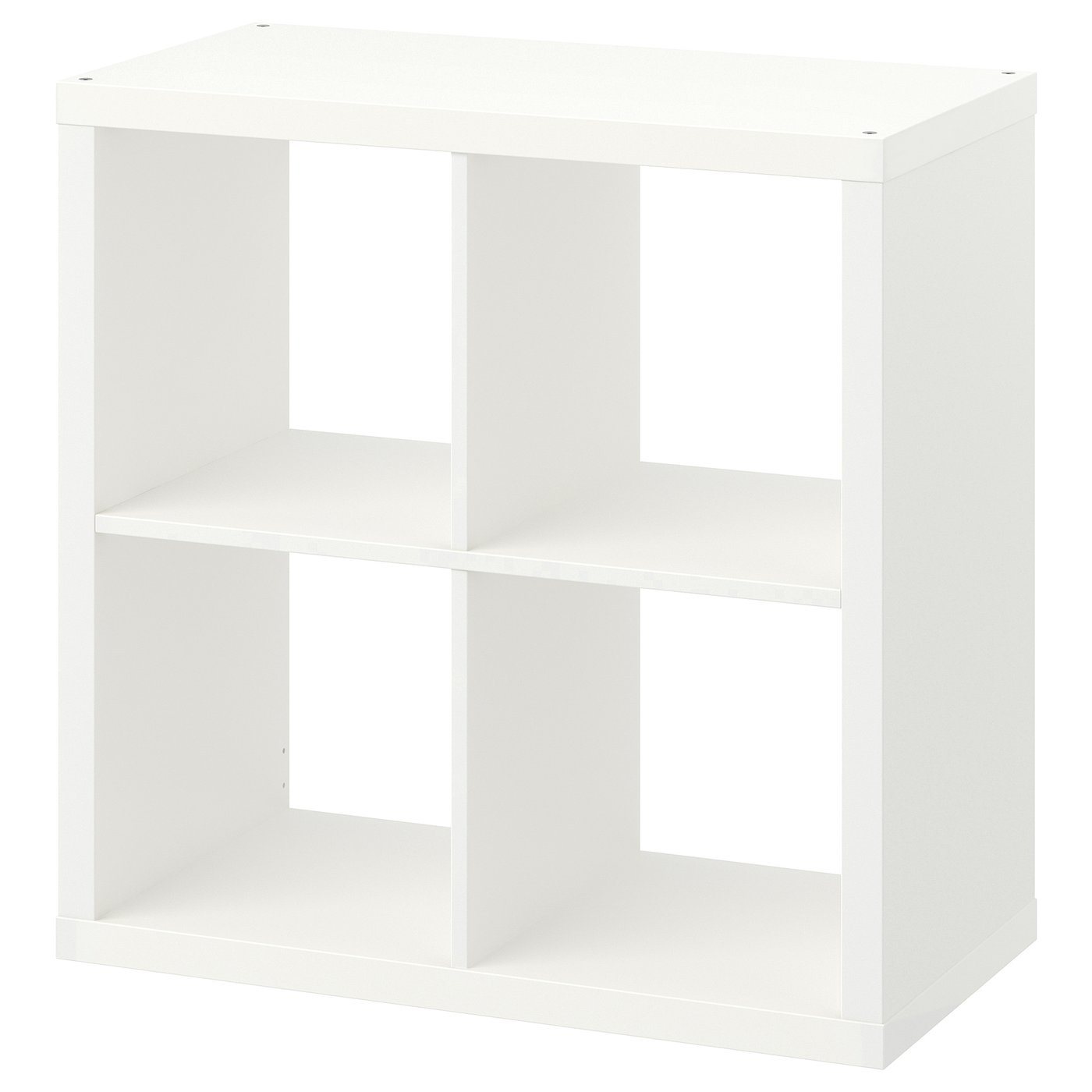
The IKEA KALLAX record names the shelf and color, but exact dimensions, depth, material, load limit, assembly, anchoring, and insert details need to be scannable.
A furniture page with exact dimensions, material, care, assembly, anchoring, load, room-fit, insert, and variant fields.
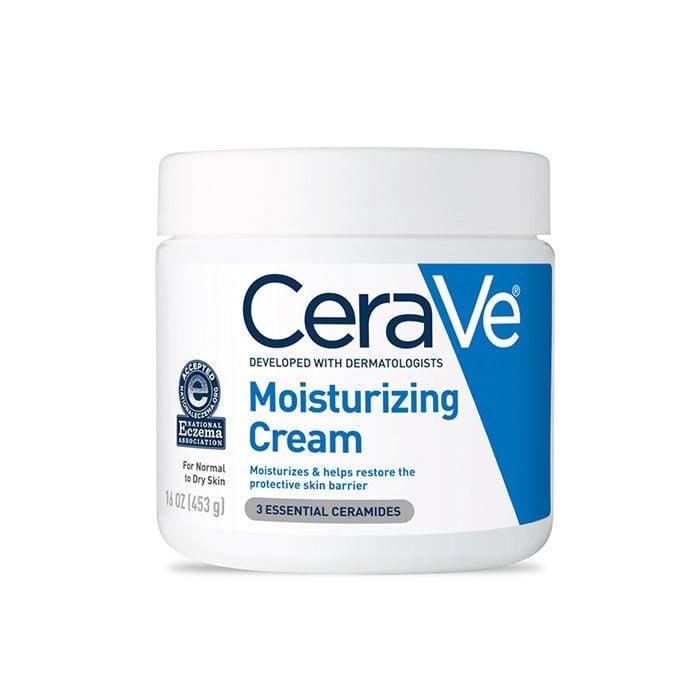
The CeraVe record has useful skin-care details, but brand names, size, ingredients, claims, and filters are not organized clearly enough for merchandising.
Clearer product copy with size, form, ingredient highlights, claim confirmation notes, and normalized beauty attributes.
The CURT 45036 record mixes fit, rating, finish, and brand labels, which makes towing compatibility and marketplace fields harder to trust.
Normalized CURT brand/manufacturer values plus receiver fit, ball size, ratings, finish, and included-part fields for pages and marketplaces.

The SnapSecure record identifies a Foley catheter securement device, but it does not tell care buyers what is included, what it fits, or which device facts matter.
A medical supply product page with device use, packaging, identifiers, compatibility, and buyer questions explained clearly.

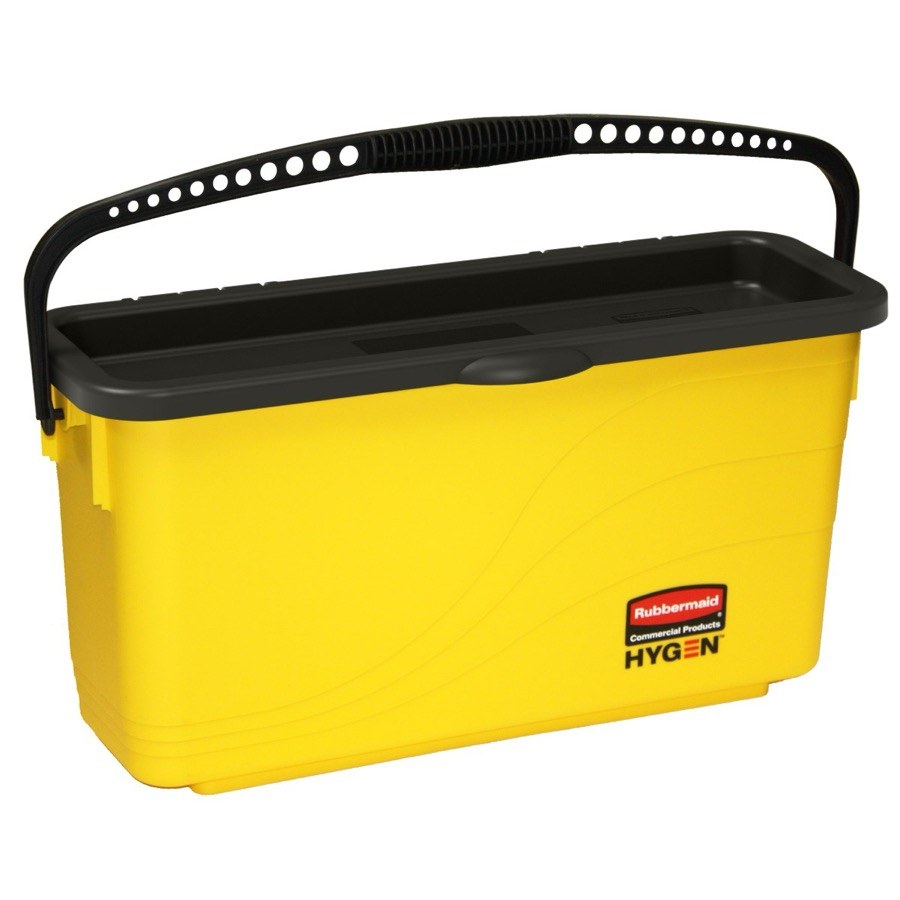
The Rubbermaid HYGEN listing names the bucket, but it does not explain the microfiber charging process, pad capacity, chemical fit, or update-ready specs.
A janitorial update with cleaning-process explanation, pad capacity, chemical compatibility, dimensions, and product-file fields.
The LANTUS SoloStar record names the drug and strength, but leaves identity, NDC, package, storage, and compliance status too hard to check.
A label-backed prescription record with separated package fields, storage rules, compliance guardrails, and no unsupported medical advice.
These are separate from the product page your team controls. They show how the same product details can become marketplace fields and checks before submission.
The CURT ball mount can use a rich store product page, but Amazon still needs product-type fields, fit attributes, bullets, images, and offer data in its own structure.
An Amazon-specific output package keeps validated product details, bullets, description, images, fit attributes, and merchant-controlled offer fields separate.
The same CURT ball mount needs a different Walmart package because item setup separates sellable item data, visible customer content, taxonomy, and fulfillment details.
A Walmart-specific item setup package separates product name, key features, descriptions, images, category attributes, and merchant-controlled values before submission.
The important pattern is the same even when the vertical, voice, and product type change.
Thin rows become clearer titles, specs, buyer answers, and product page sections.
Medical, workwear, electronics, beauty, grocery, home, truck-parts, and prescription-drug examples should not sound the same.
Your own product page can tell the buyer story while marketplace feeds use tighter fields, rules, and checks.
Request a demo to review the agency path, merchant product-page path, or store-update path that fits your team.